
Minneapolis vs St. Paul: Differences Between Minnesota’s Twin Cities (2024)


Are you wondering about the differences between Minneapolis vs. St. Paul in Minnesota?
These two large cities in Southern Minnesota are sister cities, known as the Twin Cities, and are often grouped together.
But although they’re forever intertwined, they both have their own distinct identities with a few differences between the two.
I’m a Minnesota native who has spent my entire life traveling through the state and have spent extensive time in the Twin Cities.
In this post, I’m going to share everything that you need to know about the differences and similarities between these two destinations.
Minneapolis vs St. Paul: Which is Better?
Both Minneapolis and St. Paul are located in the southern half of Minnesota and are situated on their respective sides of the Mississippi River.
They’re only just a short distance from each other, and honestly, sometimes it’s tough to even know when you’ve crossed from one to the other!
Minneapolis is the more well-known city with a vibrant urban landscape, towering skyscrapers, a cutting-edge arts scene, and a bustling downtown.
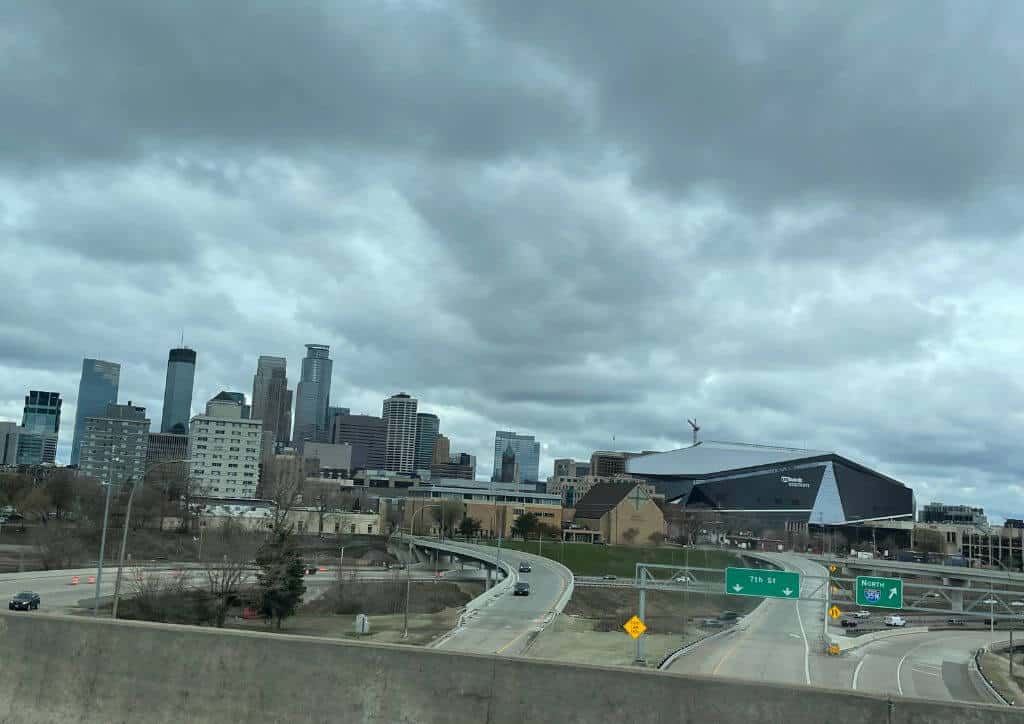
On the other hand, St. Paul is Minnesota’s capital and has a charming feel to it with lots of architecture and the history of the city.
When looking at the two, it’s tough to decide which is better, since they both have their own unique distinctions.
Below we’ll go through all of the differences and similarities between the two that will help you better understand them.
Differences & Similarities Between Minneapolis and St. Paul
Below are some of the main differences between Minneapolis and St. Paul, so you can get a better understanding of these two cities.
1. Parks Districts
One of the best parts about living in the Twin Cities or visiting is that they offer close proximity to so many great outdoor areas.
The Minneapolis Park & Recreation Board has created beautiful outdoor spaces around the city that are perfect for hiking, biking, relaxing, and enjoying the fresh air.
Within the major city, you’ll find 185 park properties that span over 7,000 acres of land.
A few of the most popular park areas include Bde Maka Ska Park, Minnehaha Regional Park, and Theodore Wirth Regional Park.

These outdoor spaces include parks with lakes, hiking trails, paved bikeways, recreation centers, gardens, pools, and off-leash dog parks.
Along with these parks, Minneapolis also has the Chain of Lakes, which is a series of interconnected lakes that are popular in the summer months.
As for St. Paul, they also have a great parks system, but it isn’t as extensive as what you’ll find in Minneapolis.
The most popular parks in the city of St. Paul are Como Regional Park, which is home to a conservatory, pool, lake, and amusement park, as well as Hidden Falls Regional Park.
Inside the 17 parks in St. Paul, you might find everything from sledding hills and skating rinks in the winter to hiking trails and bikeways in the summer.
2. Population
When combined, St. Paul and Minneapolis have a total population of just under 750,000 people living in the Twin Cities.
They are the most populated cities in Minnesota.
But, Minneapolis makes up the majority of that population, with about 430,000 of those people living in it.
The St. Paul area does have a smaller population size, making up about 311,000 of the population, but this is still a large number of residents.

When compared to other major cities in the Midwest, Minneapolis is ranked number 8 in population, just behind Omaha.
As for St. Paul, it’s ranked number 11, following just shortly behind Cleveland, Wichita, and then Minneapolis.
So in the grand scheme of things, the Twin Cities are fairly close in population size.
3. Physical Size
When it comes to the actual physical size of these two major cities, they are fairly similar, and together make up just under 110 square miles of land.
Minneapolis comes in at a grand total of just over 54 square miles of land when you consider the city’s borders.
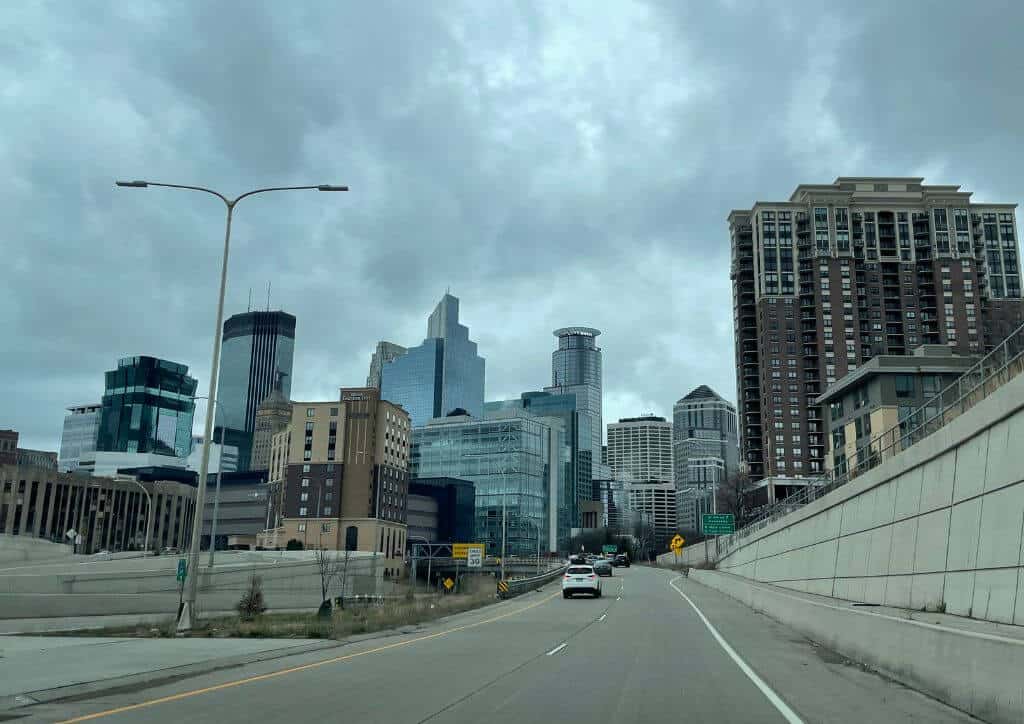
The city of St. Paul is just slightly smaller, with about 52 square miles of land within Southern Minnesota.
So in comparison of Minneapolis vs St. Paul, the two cities are very close in terms of physical size.
While these are the most populated areas of the state, they don’t take the cake for being the largest, because Hibbing and Duluth have them beat.
4. Downtown Areas
The Downtown areas of Minneapolis and St. Paul are pretty different and are located in two totally different areas of the Metro.
Both of the Downtown areas are located on the banks of the Mississippi River, just on their own respective sides, with Minneapolis being on the West bank and St. Paul on the east.
As for Downtown Minneapolis, you’ll find lively nightlife, lots of sports stadiums, skyscrapers, concert venues, theaters, and restaurants.

This is where a majority of people visit when they plan a trip to the Twin Cities, and you’ll find that it’s busy almost all the time.
A few of the most popular things within Downtown are the First Avenue music venue, the Target Field, the Orpheum Theater, and all of the boutique hotels.
The entire area is actually encompassed in the neighborhood known as Central Minneapolis.
As for St. Paul, you’ll find the bustling Downtown area a bit further east on the East bank of the Mississippi River.
The neighborhood is actually called Downtown St. Paul and is home to many of the most popular attractions in the city.
One of the most prominent structures is the State Capitol building since St. Paul is the capital city of Minnesota.

You’ll also find attractions like the Minnesota Children’s Museum, the Union Depot, the St. Paul Farmers Market, and the Xcel Energy Center.
The St. Paul area typically has a more laid-back atmosphere with fewer crowds, while Minneapolis is more vibrant and feels like a bustling city.
5. Entertainment & Things to Do
When visiting big cities, one of the top things that visitors are looking for is entertainment and things to do, and the Twin Cities Metropolitan has no shortage of that!
From sporting events to concerts, Broadway musicals, and eclectic dining experiences, either Minneapolis or St. Paul will entertain you!
As for Minneapolis, you’ll find endless opportunities to be entertained, especially if you’re hanging out in the Downtown area.

Starting with sports, Downtown Minneapolis is home to US Bank Stadium, Target Field, and Target Center, where you’ll find our professional sports teams playing.
If you’re a theater enthusiast like I am, then you’ll particularly love attending shows at the Orpheum, Guthrie, Varsity, and State Theaters.
For concerts, check out First Avenue and 7th Street Entry or The Armory, which both host local and big-name artists.
Heading into St. Paul, you’ll also find plenty of great ways to stay entertained including watching the Minnesota Wild play at the Xcel Energy Center or soccer at Allianz Field.
For Broadway and theater lovers, the Ordway Center for the Performing Arts is the perfect place to catch a production.

On top of all of these great entertainment options, the metropolitan area offers tons of great festivals and events throughout the year.
Plus other fun things to do from shopping to eating out at the many restaurants or checking out the local museums.
6. Professional Sports
If you’re a sports lover, then both St. Paul and Minneapolis will likely appeal to you, since there are so many great sports to watch.
The Twin Cities has many professional sports teams that play their home games within the two cities, so this is more of a similarity than a different in Minneapolis vs St. Paul.
In St. Paul, you’ll find the Minnesota Wild playing at the Xcel Energy Center and the Minnesota United FC major league soccer team play at the Allianz Center.
As for the other sports teams, they play in Downtown Minneapolis at their respective stadiums.

The Minnesota Vikings play at US Bank Stadium, the Timberwolves and Lynx at Target Center, and the Minnesota Twins at Target Field.
Along with professional sports, the Univesity of Minnesota Gophers are a highly loved team amongst locals, especially when it comes to football.
The Saint Paul Saints baseball are a minor league baseball team that are also well-known and watched often in St. Paul.
7. Transportation
Transportation between these two major cities is pretty similar, and thankfully, the Metro Transit services the Downtown areas of both!
So if you’re visiting without a car, you can most definitely get around, at least in the Downtown areas, via public transportation.
The Metro Transit has two light rails, the Blue Line and the Green Line.
The Blue Line services the areas around Downtown Minneapolis, starting near Target Field, and running all the way to the Mall of America in Bloomington, with 20 stops.
As for the Green Line, there are 24 stops, starting at Target Field and stretching all the way to Union Depot in Downtown St. Paul.

Other modes of transportation include buses, taxis, and ride-share programs like Uber and Lyft.
Minneapolis also has many biking paths and you can find lots of rental bikes or scooters scattered around the city.
If you are driving your own car, you can plan to drive on the Interstates for much of your travels, since it’s the fastest way to get around.
Once you’re on smaller roads Downtown, expect to see plenty of traffic, especially around rush hour!
8. History
Both Minneapolis and St. Paul have a lot of history that makes the cities what they are.
As for Minneapolis, it became a city back in the mid-1800s and the growth can be attributed to the close proximity to Fort Snelling.
Fort Snelling was used as a training center for the many wars ahead, and was eventually named as Minnesota’s first National Historic Landmark.
Later, Minneapolis became known for its flour milling, and was once called the ‘flour milling capital of the world.’
St. Paul also became a city around the 1850s and merged with Minneapolis to form the Twin Cities around the 1970s.
The city was named the capital of Minnesota in 1849, although it didn’t officially become a state until 1858.
There is a lot more history about these two cities, but I certainly wouldn’t be able to fit it all in this post!
9. Cost of Living
If you’re trying to decide which city to live in, St. Paul vs Minneapolis, then you’re probably considering the cost of living.
Because of how close they are, the cost of living between the two is fairly similar, but there are some differences to note.
Minneapolis has a higher cost of living, with the average cost being higher than the national average, according to Best Places.
The costs of groceries, housing and real estate, and transportation are the highest costs with all of them being much higher than the national average.

As for St. Paul, the cost of living is actually lower than the United States average, so if you want to save some money, St. Paul is where to live!
Also according to Best Places, St. Paul’s costs for nearly everything except transportation are lower than the national average.
The average annual salary in Minnesota is around $54,500, according to Zip Recruiter, while the national average annual salary is around $55,000.
The cost to rent an apartment in either city is fairly similar with Minneapolis being just slightly higher.
Another thing the two cities have in common is that healthcare and the cost of utilities are both below the United States average!
10. Breweries
The Twin Cities have a big craft brewery scene, and whether you choose to go to Minneapolis or St. Paul, you have to check a few of them out.
In St. Paul, one of the most popular breweries is Summit Brewing, which has been serving craft beer since the 1980s.
At Summit, you’ll find a massive lineup of IPAs, pilsners, stouts, sours, and more craft brews to try as you chat with friends.
Their outdoor patio makes for the perfect place to soak up the sun, and the Summit Ratskeller is an indoor area for enjoying the company.

On the other hand, Surly Brewing Co. is Minneapolis’ big-name brewery that is a must-try for your Twin Cities visit.
Surly has a massive menu of beers that are brewed fresh in their brewery, along with a beer hall and beer garden.
Enjoy pizza in their upstairs area, or sit outside on their large outdoor patio.
Either way, the Twin Cities brewery scene is one that should not be missed.
11. Safety
A big concern for people traveling to a city or planning to live somewhere is the safety of the location.
Minnesota is a fantastic place to live, but you should still look into things like crime rates of the cities that you’re considering.
As for Minneapolis, safety has always been questioned here, especially because of the riots and bouts of police brutality that occurred a few years ago.
The crime rate is fairly high, being higher than the national average, with a rate of about 58 crimes per 1,000 residents. Most of these crimes are property crimes, but some are violent.
In St. Paul, you’ll find a lower crime rate, according to Neighborhood Scout, with a rate of about 49 per 1,000 residents.
This is lower than Minneapolis, so we can see that between the two, St. Paul tends to be the safer choice to visit.
Because both of these are major cities, there is bound to be some crime. There really is no stopping it, and when compared to other major cities, it has a similar crime rate.
The best way to avoid crime in either city is to stay with friends or family, stay in well-lit and well-traveled areas, and avoid walking at night.
Why Are They Called the Twin Cities?
Minneapolis and St. Paul put together are called the Twin Cities, and many people wonder why they are called this.
These two major cities are located right next to each other and in some ways, overlap each other.
Many things about them are similar from their roadways to the towering buildings and downtown areas.
Sometimes, you might cross between the two and not even know that you’ve changed the city that you’re traveling in.
Because of all of the similarities and close proximity, they’ve been given the nickname ‘The Twin Cities.’
Is St. Paul or Minneapolis Better to Live In?
Which city you choose to live in, Minneapolis vs. St. Paul is quite honestly entirely up to you.
Choosing which is better can be a tough choice, but when you consider a few things, you should be able to make the decision!
Here are a few things to consider when you’re trying to decide:
- Cost of living: St. Paul is generally cheaper
- Entertainment: Minneapolis has more readily available things to do
- Access to the outdoors: Both cities have equally great access to the outdoors
- Better shopping: Minneapolis tends to have more shops for shopping
- Crime and safety: St. Paul has a lower crime rate and is considered safer
- Housing costs: Minneapolis has higher real estate and rental costs than St. Paul
- Education: Both have great private and public schools, if you have kids in school
Many people love to live in Minneapolis, thanks to the upbeat, lively atmoshpere, but many also love the laid back feel of St. Paul.
So which you choose to live in will depend on your personaility and preferences!
Cost of Living: Which City is More Expensive?
When it comes to the cost of living, St. Paul and Minneapolis are fairly similar because of how close in proximity they are.
But, St. Paul tends to be slightly cheaper when it comes to things like housing, groceries, and miscellaneous items.
Minneapolis’ cost of living is slightly higher than the national average, while St. Paul’s is just below the line.
Is Minneapolis or St. Paul Safer?
Whether you’re traveling to or planning to live in either St. Paul or Minneapolis, I would recommend being aware of the crime rates.
Minneapolis’ crime rate is at about 58 per 1,000 residents, while St. Paul’s is at around 49 per 1,000 residents.
Most of these crimes are property crimes, including theft and burglary, while fewer are violent crimes.
When we look at these numbers, St. Paul is statistically the safer city to visit and live in.
Although there are dangerous parts of either city, so it’s best to avoid dangerous areas, stick in a group, and avoid walking at night.
Which City is Bigger: Minneapolis vs St. Paul?
When looking at the size of these two cities, we can see that Minneapolis is bigger in both physical size and population.
In physical size, Minneapolis covers up just over 54 square miles of land, while St. Paul takes up around 52 square miles.
So while the two are close, Minneapolis takes the cake. Together they make up just over 110 square miles of land.

When looking at population, Minneapolis has a much larger population, coming in at just under 430,000 people, according to the 2020 census.
In St. Paul, the population is closer to 311,000 people when looking at the census for 2020.
Although, the two cities mash together quite a bit and when combined with the suburbs of the Twin Cities, it can sometimes be tough to determine where one starts and the other ends.
Minneapolis to St. Paul: How Far Apart Are They?
If you’ve never visited the Twin Cities Metro area, then you may be surprised at how close together Minneapolis and St. Paul are.
In fact, most people would say that in any other location, they would just be merged together as one city, rather than two!
The center of each city is just 12 miles apart from the other, but the borders of the cities touch, so they are technically right next to each other.
As I’ve mentioned above, oftentimes when I’m driving from Minneapolis to St. Paul, I don’t even know when I’ve crossed the city line because of how similar the two are.
FAQs
The cities were two seperate cities for many, many years before they became interconnected. Demographics were also different, so keeping them seperate made more sense.
Minnesota’s Twin Cities are very similar. From Downtown areas to housing to the way they look, it can sometimes be hard to tell them apart.
Minneapolis tends to have a better nightlife in the Downtown area. With lots of venues, sports stadiums, and thriving restaurants and bars, it’s easy to have a fun night out in Minneapolis.
Yes, St. Paul and Minneapolis are two seperate cities, although they mesh together and are often considered a group; the Twin Cities.
St. Paul is just slightly older than Minneapolis, being named a city in 1854 and Minneapolis in 1867.
Yes, St. Paul tends to be more diverse than Minneapolis. According to the 2020 Census, St. Paul had about 55% white people, with about 16% African American people, 19% Asian, and many other races living in the city.
Where you live will depend on what you like to do, if you prefer lively or laid-back, and if you don’t mind a higher cost of living. Minneapolis and St. Paul are very similar.
Yes, St. Paul is generally safe with a lower crime rate than Minneapolis. It’s crime rate is 49 per 1,000 residents, which is slightly higher than the national average. But with safety precautions and avoiding bad neighborhoods, you can be safe in the city.
Wrap-Up: Minneapolis Vs. St. Paul
Whether you’re looking to visit, move to, or are just curious, looking at the differences between St. Paul vs Minneapolis is very interesting.
The two Twin Cities are very similar, but they also have a few key differences that are importnat to know, like crime rates and cost of living.
As someone who often visits the cities and lived just 30 minutes away, I hope that this helped you learn a bit more about them!
